You have been going backward. Not to live there, just to touch the texture of a time that felt different, to confirm that easier versions of things existed once and might exist again. The nostalgia is something you are constructing deliberately from what's available, and you are aware of the construction and doing it anyway, because sometimes the manufactured version is the closest thing. These films work in the same register. They hold an earlier feeling with enough honesty that you can borrow it for a while.

The true story of how businessman Oskar Schindler saved over a thousand Jewish lives from the Nazis while they worked as slaves in his factory during World War II.
It holds a register of warmth that belongs to an earlier time. Close enough to the feeling you're reaching for that you can borrow it for a while.
Safe to go backward
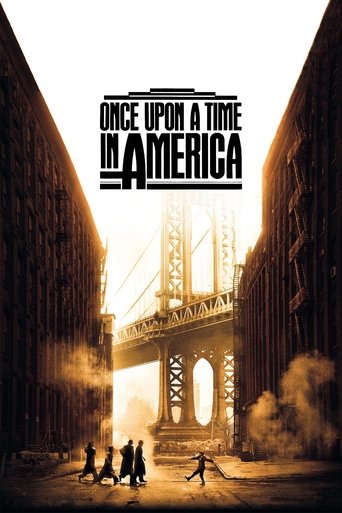
A former Prohibition-era Jewish gangster returns to the Lower East Side of Manhattan over thirty years later, where he once again must confront the ghosts and regrets of his old life.
The texture of this film is familiar in the way old photographs are familiar. It gives you somewhere to put the tenderness that has nowhere else to go.
Holds the past carefully

In the final months of World War II, 14-year-old Seita and his sister Setsuko are orphaned when their mother is killed during an air raid in Kobe, Japan. After a falling out with their aunt, they move into an abandoned bomb shelter. With no surviving relatives and their emergency
It goes backward in the right way. Not nostalgic for nostalgia's sake, but honest about what it felt like when the thing you're missing was still there.
Warmth without demand
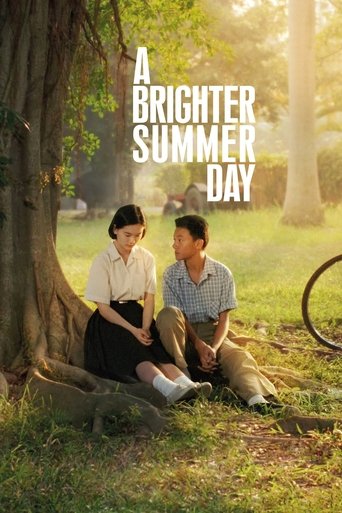
A boy experiences first love, friendships and injustices growing up in 1960s Taiwan.
The warmth of this film is specific and it is real and it doesn't require you to explain why you needed it.
Real enough to borrow
The films that follow lean into the texture of memory. They know what you are looking for in the past.
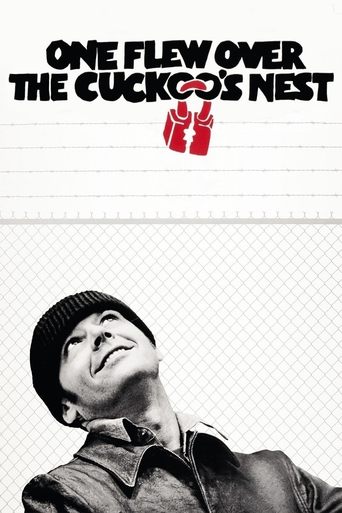
A petty criminal fakes insanity to serve his sentence in a mental ward rather than prison. He soon finds himself as a leader to the other patients:and an enemy to the cruel, domineering nurse who runs the ward.
It holds a register of warmth that belongs to an earlier time. Close enough to the feeling you're reaching for that you can borrow it for a while.
Safe to go backward

Two FBI agents investigating the murder of civil rights workers during the 60s seek to breach the conspiracy of silence in a small Southern town where segregation divides black and white. The younger agent trained in FBI school runs up against the small town ways of his partner,
The texture of this film is familiar in the way old photographs are familiar. It gives you somewhere to put the tenderness that has nowhere else to go.
Holds the past carefully

A pragmatic U.S. Marine observes the dehumanizing effects the U.S.-Vietnam War has on his fellow recruits from their brutal boot camp training to the bloody street fighting in Hue.
It goes backward in the right way. Not nostalgic for nostalgia's sake, but honest about what it felt like when the thing you're missing was still there.
Warmth without demand
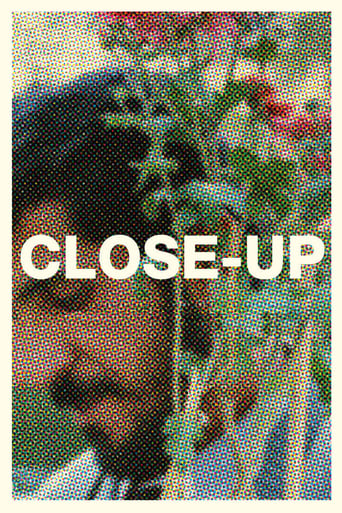
This fiction-documentary hybrid uses a sensational real-life event:the arrest of a young man on charges that he fraudulently impersonated the well-known filmmaker Mohsen Makhmalbaf:as the basis for a stunning, multilayered investigation into movies, identity, artistic creation, a
The warmth of this film is specific and it is real and it doesn't require you to explain why you needed it.
Real enough to borrow
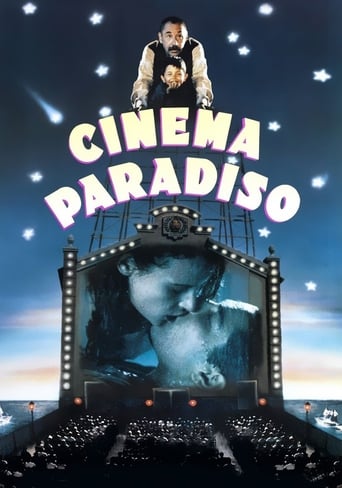
A filmmaker recalls his childhood, when he fell in love with the movies at his village's theater and formed a deep friendship with the theater's projectionist.
It holds a register of warmth that belongs to an earlier time. Close enough to the feeling you're reaching for that you can borrow it for a while.
Safe to go backward
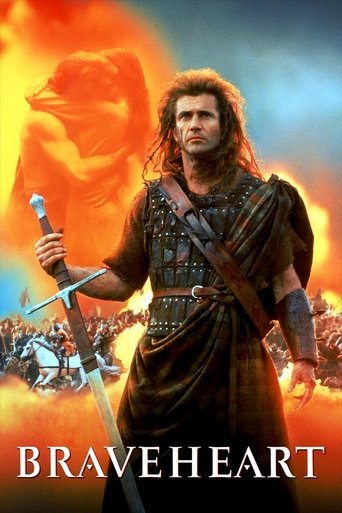
Enraged at the slaughter of Murron, his new bride and childhood love, Scottish warrior William Wallace slays a platoon of the local English lord's soldiers. This leads the village to revolt and, eventually, the entire country to rise up against English rule.
The texture of this film is familiar in the way old photographs are familiar. It gives you somewhere to put the tenderness that has nowhere else to go.
Holds the past carefully
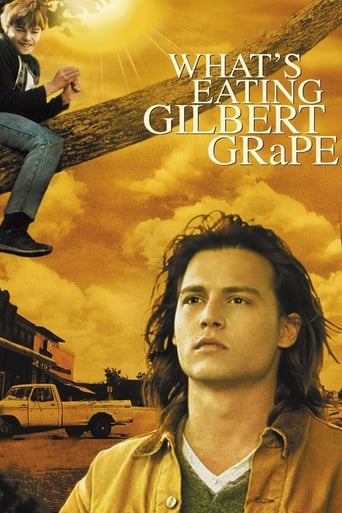
Gilbert Grape is a small-town young man with a lot of responsibility. Chief among his concerns are his mother, who is so overweight that she can't leave the house, and his mentally impaired younger brother, Arnie, who has a knack for finding trouble. Settled into a job at a groce
It goes backward in the right way. Not nostalgic for nostalgia's sake, but honest about what it felt like when the thing you're missing was still there.
Warmth without demand
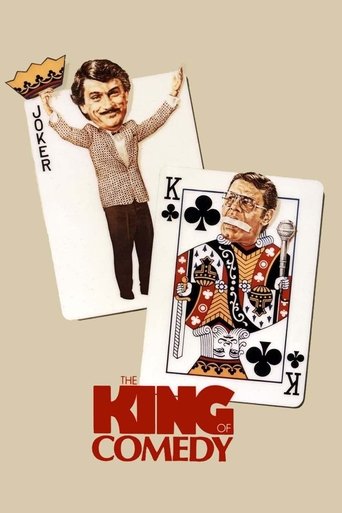
Aspiring comic Rupert Pupkin attempts to achieve success in show business by stalking his idol, a late night talk-show host who craves his own privacy.
The warmth of this film is specific and it is real and it doesn't require you to explain why you needed it.
Real enough to borrow
You can't go back. You can get close. These are close.