MOVIES LIKE FIGHT CLUB: THE MIND-FRACTURE PICKS
Fight Club works because it trusts you to keep up. The narrative collapses in on itself, the protagonist is someone you can't fully believe, and by the end, you're questioning what you saw in the opening scene. These first six picks operate in that same register: movies where the architecture of reality is the antagonist.
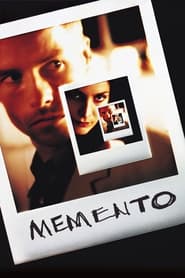
MEMENTO
Leonard can't form new memories, so he tattoos facts onto his body and Polaroids everything. The movie runs backwards so you experience his confusion from the inside. By the final scene, you're as lost as he is, and just as complicit.
Nolan builds the unreliable narrator problem into the structure itself rather than hiding it until the final reel. The result is a movie you have to watch twice to understand and three times to actually trust.
Watch it forward on a second viewing. The version that plays chronologically is a completely different, bleaker movie.
VIEW ON MOVIEPIQ →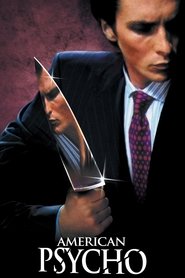
AMERICAN PSYCHO
Patrick Bateman is Tyler Durden's Wall Street counterpart: another mask worn by a man who has hollowed himself out for a system that rewards surfaces. The violence may or may not be real. The emptiness absolutely is.
Mary Harron's adaptation turns Bret Easton Ellis's novel into something surgical. It's less interested in whether Bateman kills anyone than in what it means that he might. The business card scene alone earns its place in movie history.
Treat the ambiguity seriously. The movie rewards viewers who resist demanding a definitive answer.
VIEW ON MOVIEPIQ →
THE MACHINIST
Trevor Reznik hasn't slept in a year and weighs nothing. Christian Bale lost 63 pounds for the role, and the physical transformation gives the movie its center of gravity: this is what guilt does to a body. Something happened that Trevor won't let himself remember.
Brad Anderson shoots industrial Barcelona as a machine-age nightmare. The paranoia compounds slowly, and the final reveal lands with real weight because the movie has earned it through an hour of dread rather than cheap misdirection.
Pay close attention to the whiteboard notes. They're not background detail.
VIEW ON MOVIEPIQ →
BLACK SWAN
Nina Sayers is trying to destroy herself to become perfect. Aronofsky films her psychological deterioration with the same visceral intimacy Fight Club uses for its underground brawls: it's not pretty, but you can't look away.
The duality between Nina's white and black personas mirrors the Tyler/Jack split almost exactly. Both films locate their horror in the gap between who you are and who you're trying to become, and both conclude that the gap may be uncrossable.
Watch it as a horror movie about ambition, not as a ballet movie. That reframing changes everything.
VIEW ON MOVIEPIQ →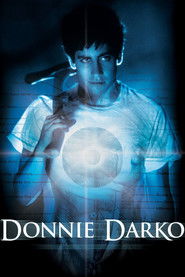
DONNIE DARKO
A giant rabbit named Frank tells Donnie the world will end in 28 days. The suburban paranoia, the 1980s Reagan-era critique, the teen protagonist who sees through everything adults pretend is normal: it's Fight Club with a different entry point.
Richard Kelly's debut rewards rewatching more than almost any movie of its era. The theatrical cut trusts ambiguity; the director's cut explains too much. Go theatrical.
Stick with the theatrical cut. The director's cut over-explains the mechanics.
VIEW ON MOVIEPIQ →
A BEAUTIFUL MIND
John Nash is a mathematical genius whose reality begins to fracture. The movie earns its place on this list not because of the Oscar wins but because of the specific way it plays its central deception: it lets you inhabit a perspective that turns out to be fundamentally unreliable.
The mainstream surface hides a genuinely unsettling movie about consciousness and constructed reality. It's more Fight Club-adjacent than its reputation suggests.
Watch the first act assuming everything is real. The movie needs that commitment from you to work.
VIEW ON MOVIEPIQ →Fight Club is a movie about a man who invents someone worth being. These picks are about people who discover that the version of themselves they invented has been running things for a while.
MORE MOVIES LIKE FIGHT CLUB: ANTI-HERO CHAOS
The second thing Fight Club is about, after identity, is the desire to burn something down. These six films share that anti-establishment current: protagonists who are done performing normalcy and systems that deserve what's coming to them.
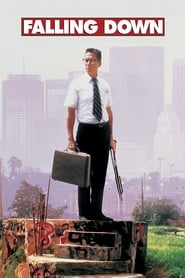
FALLING DOWN
A man stuck in LA traffic decides he is done. Michael Douglas plays D-FENS with the coiled energy of someone who has been reasonable for too long. What follows is a cross-city rampage through every system that has failed him.
Schumacher's movie is darker comedy than pure thriller. It predates Fight Club by six years but shares its core impulse: the white-collar man in crisis who opts out violently. The movie is more ambivalent about its protagonist than it first appears.
The movie asks you to enjoy his rampage and then makes you accountable for that enjoyment. Stay with the discomfort.
VIEW ON MOVIEPIQ →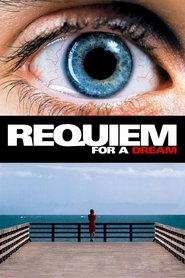
REQUIEM FOR A DREAM
Four people destroy themselves chasing versions of the American dream. Aronofsky uses every formal trick available: split screens, extreme close-ups, hip-hop montage cutting, time-lapse. The aesthetic assault mirrors the internal state of people whose reality is fracturing.
It shares Fight Club's willingness to be genuinely unpleasant in service of something real. Both films use style as argument rather than decoration. The difference is that Requiem offers no catharsis.
Clear your evening. This is not a movie you watch and then move on from.
VIEW ON MOVIEPIQ →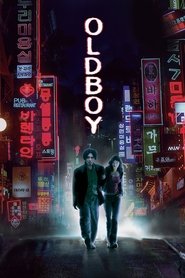
OLDBOY
Oh Dae-su is imprisoned in a private room for 15 years without explanation, then released. He has one goal: find out why. The third act will destroy you. Park Chan-wook builds one of cinema's great revenge narratives and then uses it to dismantle the concept of revenge entirely.
The hallway corridor fight sequence is one of the most viscerally honest action scenes ever filmed: exhausting, ugly, and real. Fight Club fans drawn to the movie's physicality will find a spiritual companion here.
Go in cold. The less you know, the harder the ending hits.
VIEW ON MOVIEPIQ →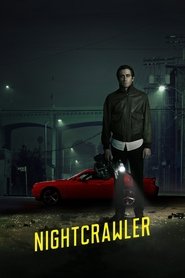
NIGHTCRAWLER
Lou Bloom is what Tyler Durden looks like without the charm: a sociopath who has read every self-help book and absorbed only the manipulation techniques. Jake Gyllenhaal plays him with a hollow intensity that makes the skin crawl.
Dan Gilroy's movie is a media satire with a monster at its centre. Lou doesn't want to burn the system down. He wants to climb it, and he will do anything required. The movie is about the America that Fight Club's anarchists were reacting against.
Gyllenhaal lost weight for the role until he looked genuinely predatory. That physical detail is doing real work.
VIEW ON MOVIEPIQ →
MR. NOBODY
Nemo Nobody is 118 years old in 2092, the last mortal human on Earth, and he can't remember which of his possible lives was real. Van Dormael builds a meditation on choice and identity that is visually unlike anything else on this list.
Where Fight Club resolves its identity crisis through destruction, Mr. Nobody holds all versions of selfhood simultaneously and finds beauty in the impossibility. A companion movie, not a copy.
Let the structure wash over you on first watch. The logic becomes clearer on a second viewing.
VIEW ON MOVIEPIQ →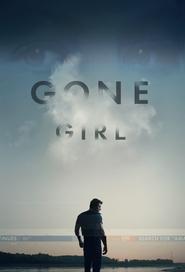
GONE GIRL
Fincher made this one, too, and the DNA is unmistakable. Gone Girl is about the performance of identity within a relationship, the way both Nick and Amy have constructed selves that have nothing to do with who they actually are.
The cold visual style, the unreliable dual narrators, the mounting dread: it's Fight Club's formal vocabulary applied to a marriage. The movie is more controlled than Fight Club and, in some ways, more chilling.
If you've seen it once, rewatch knowing what you know. Amy's early narration becomes something else entirely.
VIEW ON MOVIEPIQ →Every movie on this list shares Fight Club's conviction that who you think you are is probably a story you're telling yourself. Some of them, like Memento and Oldboy, make that structural. Others, like Nightcrawler and American Psycho, make it social. All of them are worth the discomfort.
- Falling Down (1993) Open with the precursor. Establishes the white-collar rage that Fight Club would later weaponize.
- Memento (2000) Structural unreliability as the main event. Trains your eye for deceptive narration.
- American Psycho (2000) The satire sharpens. By now the pattern of hollow men in hollow systems is clear.
- Requiem for a Dream (2000) The emotional gut-punch. Watch this one while you still have energy.
- Oldboy (2003) The international companion. Revenge and identity collide in the most devastating possible way.
- Gone Girl (2014) Close with Fincher's own return to these themes. A conversation with his earlier work.